Get Rain Garden Installation Service in Columbus, OH
Local contractors in Columbus, OH, can install rain gardens to manage stormwater runoff, reduce flooding, and improve yard drainage for residential and commercial properties.
Rain garden installation services are a practical solution for property owners in Columbus, OH, looking to improve stormwater management and enhance landscape functionality. By creating a designated area for runoff absorption, residents can reduce the strain on municipal drainage systems, help prevent localized flooding, and promote healthier outdoor spaces. Exploring options for professional installation ensures that the project is tailored to the specific needs of the property, considering factors like soil type, drainage patterns, and landscape design.
For those interested in planning a rain garden project, it’s helpful to compare local contractors who specialize in this work. Experienced service providers can offer insights into the best practices for installation and help determine the most suitable approach for the property’s unique conditions. Continuing to read can provide valuable information to make informed decisions about working with local experts to achieve effective and sustainable stormwater solutions.
- Rain Garden Installation - needed when managing stormwater runoff in neighborhoods like Clintonville or German Village.
- Drainage Improvement - required for properties experiencing pooling or erosion after heavy rains in Columbus or nearby suburbs.
- Landscape Enhancement - suitable for homeowners looking to add functional beauty to their yards in areas such as Bexley or Upper Arlington.
- Water Management Solutions - sought when reducing water flow issues around residential or commercial properties in the Central Ohio region.
- Eco-Friendly Landscaping - ideal for those interested in sustainable yard features in neighborhoods like Grandview Heights or Worthington.
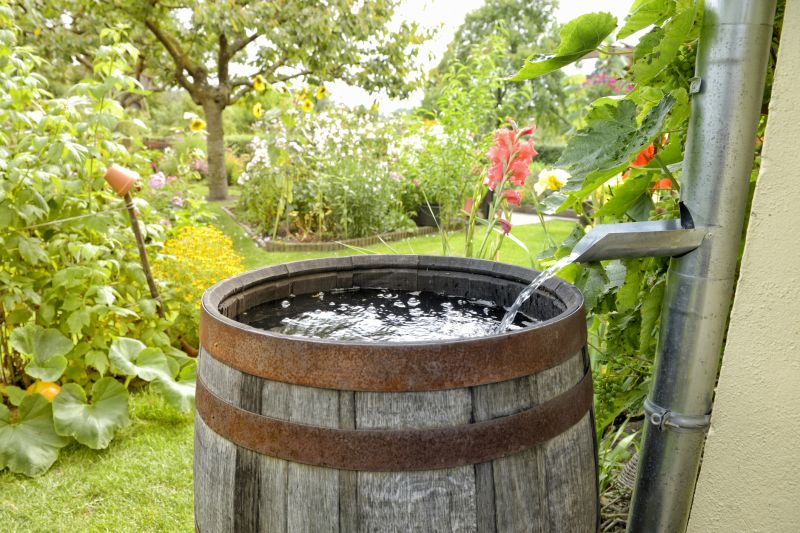
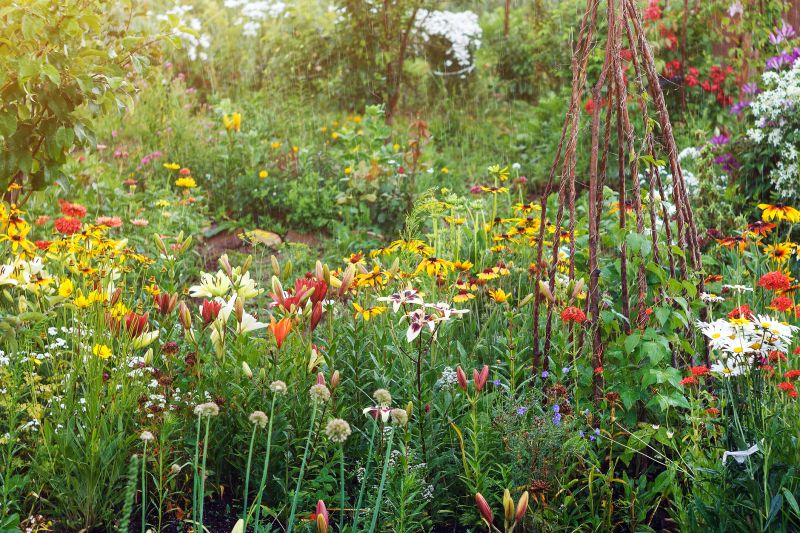
Rain garden installation services involve creating specially designed landscaped areas that capture and manage stormwater runoff. These gardens typically incorporate native plants, soil amendments, and grading techniques to facilitate water absorption and reduce pooling. The goal is to direct excess rainwater away from building foundations, driveways, and other vulnerable areas, helping to prevent water damage and erosion. Service providers evaluate the property’s landscape and drainage patterns to design a rain garden that fits the specific needs of each home or business.
This service can help solve common drainage problems faced by property owners, such as standing water after storms, water pooling in yards, or increased runoff that causes erosion or property damage. Installing a rain garden not only mitigates these issues but also improves the overall appearance of the landscape. It’s a practical solution for managing heavy rain events, especially in areas where traditional drainage systems are insufficient or where property owners want to reduce water-related issues without extensive excavation or infrastructure work.
Rain garden installation is often chosen by homeowners with properties that experience frequent or severe water runoff issues. It is also suitable for properties with limited yard space, as rain gardens can be integrated into existing landscaping or placed in low-lying areas prone to flooding. Commercial properties, community spaces, and residential homes all benefit from these installations, especially in locations where stormwater management is a priority. Local contractors can assess the specific landscape to determine the best placement and design to effectively address drainage concerns.
Property owners considering rain garden installation should look for service providers experienced in landscape grading, native plant selection, and drainage solutions. This service is especially relevant for those seeking a practical, attractive way to manage stormwater while enhancing their property’s curb appeal. Whether dealing with persistent water pooling or aiming to reduce runoff impact, connecting with local contractors can help develop a tailored rain garden plan that fits the unique conditions of each property.
The overview below groups typical Rain Garden Installation Service projects into broad ranges so you can see how smaller, mid-sized, and larger jobs often compare in Columbus, OH.
In many markets, a large share of routine jobs stays in the lower and middle ranges, while only a smaller percentage of projects moves into the highest bands when the work is more complex or site conditions are harder than average.
Smaller Repairs - Typical costs for minor rain garden repairs or upgrades range from $250 to $600. Many routine projects fall within this range, depending on the scope of work and site conditions.
Basic Installation - Installing a new rain garden on a standard residential property usually costs between $1,500 and $3,500. Larger or more complex sites can push costs higher, but most projects stay within this middle range.
Full Replacement - Replacing an existing rain garden or undertaking a comprehensive redesign can range from $4,000 to $8,000 or more. Fewer projects reach into this higher tier, which reflects increased site complexity and materials.
Large or Custom Projects - Extensive rain garden systems or custom features can exceed $10,000, especially for large properties or complex landscapes. Many local pros handle projects in the lower to middle ranges, with higher costs reserved for specialized or large-scale work.
Actual totals will depend on details like access to the work area, the scope of the project, and the materials selected, so use these as general starting points rather than exact figures.
Landscape Drainage Projects - These projects involve designing and installing systems to manage water flow, similar to rain gardens that improve drainage and reduce runoff.
Stormwater Management Systems - Local contractors often work on stormwater solutions that require planning and installation skills comparable to rain garden setups.
Native Plant Landscaping - Installing native plant landscapes shares planning and planting techniques with rain garden installations, focusing on water absorption and soil health.
Soil Erosion Control Projects - These projects require knowledge of soil stabilization and water flow management, skills applicable to rain garden creation.
Permeable Paving Installation - Installing permeable surfaces involves understanding water flow and soil interaction, similar to the principles used in rain garden design.
Water Feature Construction - Building features like small ponds or retention basins involves planning and excavation skills that align with rain garden installation services.
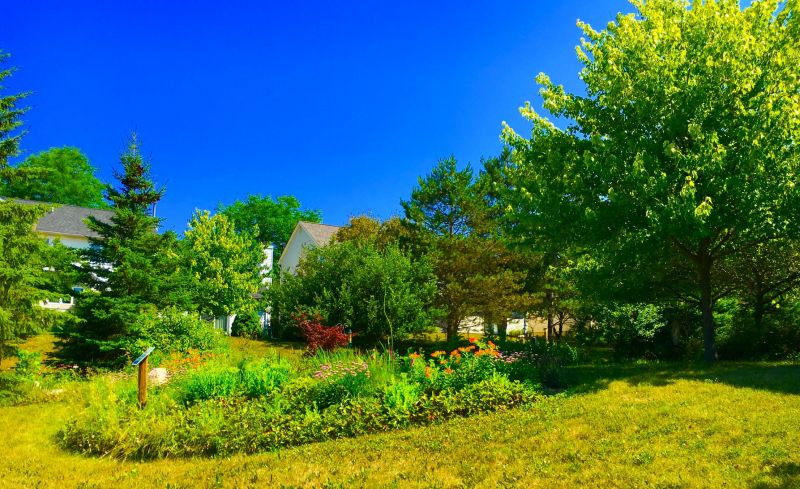
When selecting a contractor for Rain Garden Installation services, it’s important to consider their experience with similar projects in the Columbus, OH area. A contractor’s familiarity with local soil conditions, weather patterns, and existing landscape features can influence the success of the installation. Homeowners should inquire about the types of rain gardens the contractor has worked on before and ask for examples of past projects that resemble their own property. This helps ensure the service provider has relevant experience and a solid understanding of what it takes to create an effective rain garden in the local environment.
Clear, written expectations are essential for a smooth project process. Homeowners should seek out service providers who can provide detailed descriptions of their services, including the scope of work, materials used, and any specific steps involved in the installation. Having these expectations documented helps prevent misunderstandings and provides a reference point throughout the project. It’s also wise to discuss any questions or concerns upfront and ensure the contractor’s approach aligns with the homeowner’s goals for the rain garden.
Reputable references and good communication are key indicators of a trustworthy service provider. Homeowners can ask potential contractors for references from previous clients, especially those who had similar projects completed. Speaking with past customers can offer insights into the contractor’s reliability, quality of work, and professionalism. Additionally, effective communication-such as responsiveness to inquiries, clarity in explanations, and willingness to listen-can make the entire process more straightforward and less stressful. Since the site introduces homeowners to local options, it’s recommended to gather this information directly from service providers to find the best match for the project’s needs.
Property owners in Columbus, OH use Rain Garden Installation Service services for practical projects around their homes and businesses. This guide focuses on everyday jobs and straightforward project options.
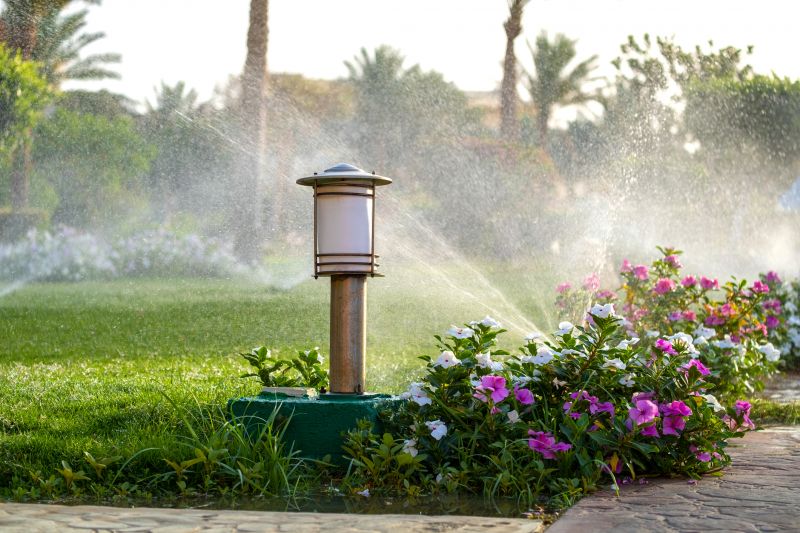
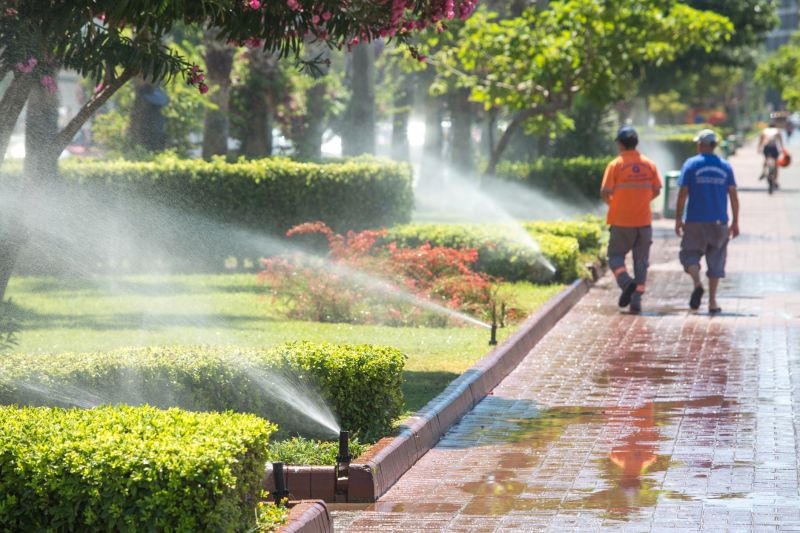
Rain garden installation services are often sought after by property owners in Columbus, OH, who want to manage stormwater runoff more effectively. Heavy rainfalls can lead to pooling water or erosion in yards and gardens, making it important to find practical solutions that improve drainage. Local contractors who specialize in rain gardens can assess specific property needs and design customized systems that help prevent water damage, reduce standing water, and enhance the landscape’s appearance.
Homeowners and business owners in Columbus might also consider rain garden installation to address issues like yard flooding or to comply with local water management guidelines. These projects are common in areas where soil absorption is limited or where traditional drainage methods aren’t sufficient. Service providers familiar with the local climate and soil conditions can handle the installation process efficiently, providing property owners with a functional and attractive solution to manage excess rainwater effectively.
What is a rain garden? A rain garden is a landscaped area designed to collect and absorb rainwater runoff, helping to reduce drainage issues and manage stormwater effectively.
How do local contractors install rain gardens? Contractors typically assess the site, select appropriate plants and materials, and design a garden that fits the property's drainage needs and aesthetic preferences.
Can a rain garden improve my property's drainage? Yes, a well-designed rain garden can help divert and absorb excess water, reducing pooling and erosion around your property.
What types of plants are used in rain gardens? Native and drought-tolerant plants that can handle wet and dry conditions are commonly used to ensure the garden functions properly and requires minimal maintenance.
How do I find local service providers for rain garden installation? This website helps connect homeowners with local contractors experienced in rain garden installation, making it easier to compare options and find the right professional for the job.
Rain Garden Planning - Property owners can explore options for designing a rain garden that effectively manages runoff and enhances curb appeal.
Drainage Solution Ideas - Homeowners can consider installing a rain garden to reduce pooling and improve water absorption during heavy rains.
Landscape Integration - Rain gardens can be incorporated into existing landscaping to create functional and attractive outdoor spaces.
Maintenance Planning - Property owners can work with local contractors to develop ongoing care routines for a healthy and sustainable rain garden.
If you are thinking about Rain Garden Installation Service for a property in Columbus, OH, this guide is meant to help you understand the work, the typical project types, and how different options might fit your plans.
When you are ready, you can use the quote form on this page to share a few details about your project. From there, local pros can review the basics and respond with options that match what you have in mind.